If you are planning a new home in Washington, you may hear “one-time close,” “single close,” or “construction-to-permanent.” These terms generally describe financing that brings the construction phase and long-term mortgage into one closing arrangement. The actual structure and conditions depend on the program and lender.
A single closing can simplify part of the financing process. It does not remove the need for a complete construction plan or guarantee that the permanent phase begins without further conditions.
How it differs from two separate closings
With a single-closing construction-to-permanent transaction, the construction financing and permanent financing are arranged together. A two-closing approach uses a separate transaction for the permanent mortgage. Fannie Mae describes both structures; individual lenders decide which programs they offer and how they administer them.
Ask which costs, documents, and requirements apply to each phase. “One closing” does not mean there are no construction administration fees, inspection costs, or conditions to meet at completion.
The construction budget still comes first
Before the loan can be evaluated, expect to discuss the property, plans, specifications, contractor agreement, and itemized budget. The lender may require its own builder review, appraisal, and documentation.
Include site work and the items outside the main building contract in the conversation. Land, utilities, access, and allowances can affect the overall project. Ask how any land equity or existing debt is treated rather than assuming it automatically meets a down-payment requirement.
Understand draws and completion requirements
Construction funds are generally released through a draw process rather than handed over as a single unrestricted payment. Confirm who requests draws, what documentation or inspections are needed, and how contractor payments are coordinated.
Ask how payments work during construction, when the permanent mortgage payments begin, and which completion requirements apply. These details vary; do not assume the payment arrangement from another borrower’s loan applies to yours.
Questions to ask before choosing a program
- Which property types, uses, and construction projects are eligible?
- What are the borrower and builder approval requirements?
- How are the construction budget, contingency, and changes handled?
- How do the rate, lock period, and any extension options work?
- What happens if construction takes longer or costs more than planned?
- What must be completed before conversion to permanent financing?
Keep the building and financing decisions coordinated
Vet Edge offers design, construction, and owner representation services. If you already have a GC, we can discuss a separately defined owner-side role. Any lender’s builder approval and loan requirements remain separate from our construction or representation agreement.
For mortgage questions, contact Alexandra Kemp, MBA · NMLS #1990457, through Groves Capital, Inc. · NMLS #1678775. Program availability and eligibility must be confirmed for your specific project; this article does not advertise a particular rate, down payment, or approval.
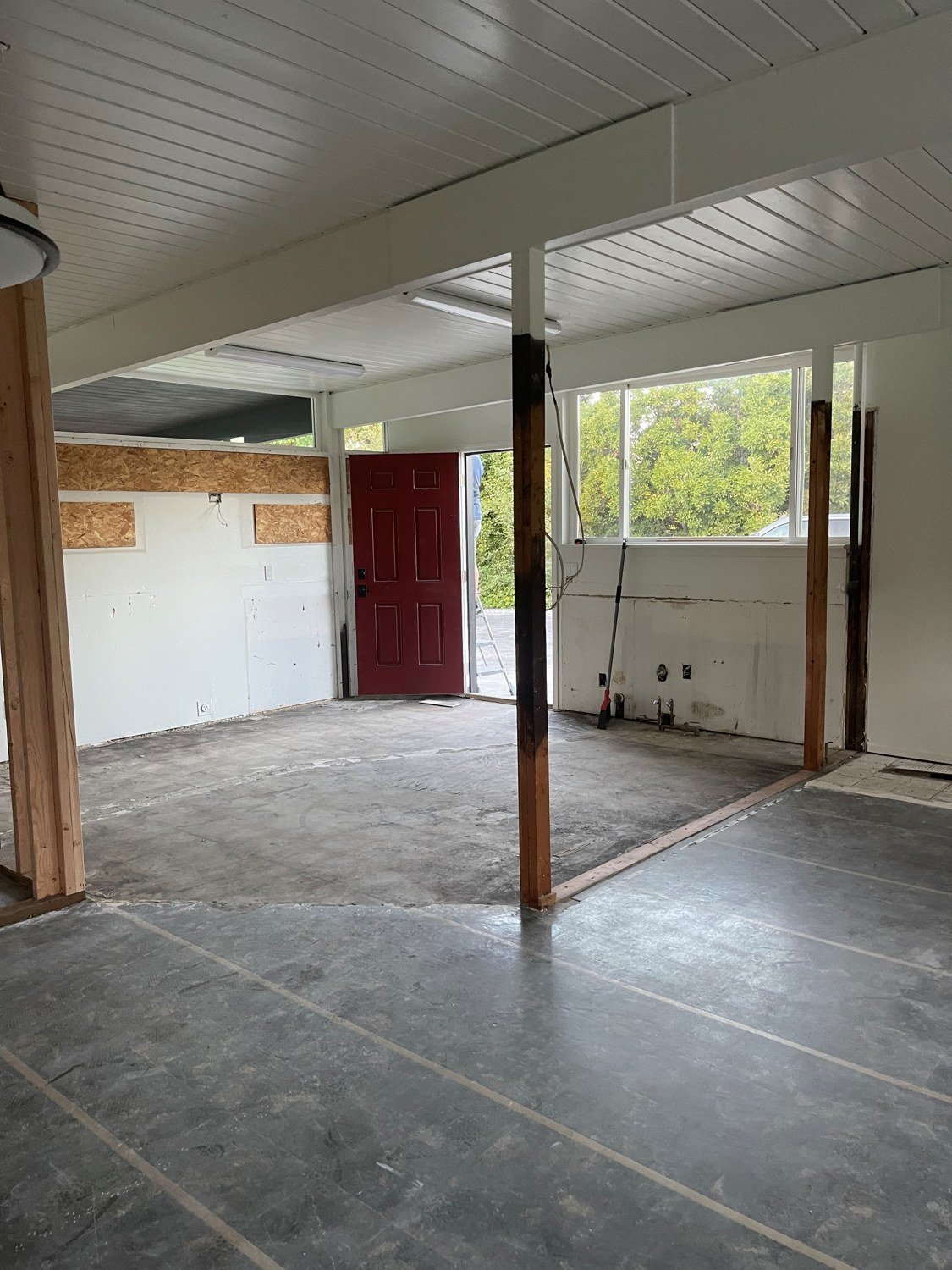
Resources: Fannie Mae construction products and CFPB: What is a construction loan? The project photo illustrates renovation work, not a specific one-time-close financed transaction.